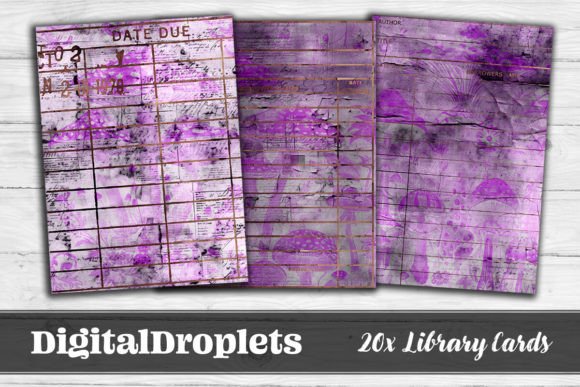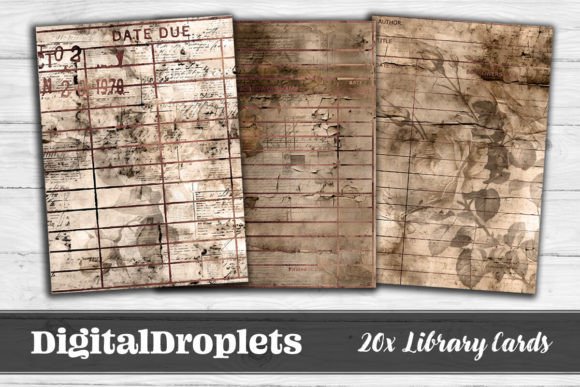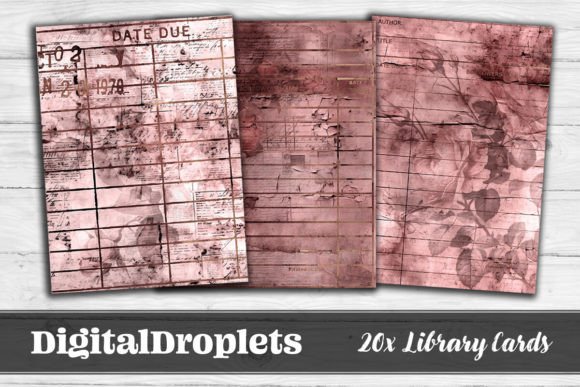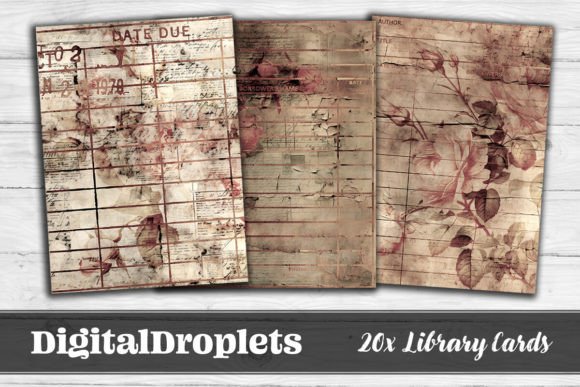
Mushroom Library Cards Vol.2: A Designer's Guide to Whimsical Assets
The Role of Tactile Textures in Modern Graphic Design
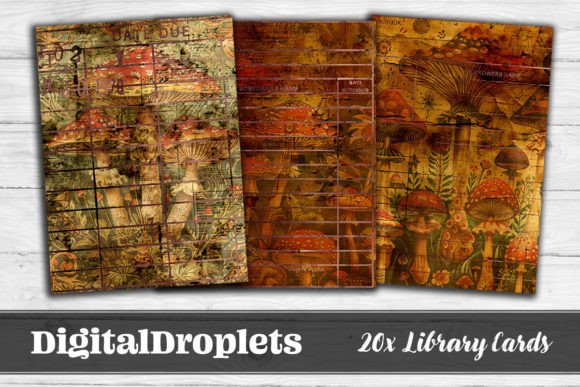
In an era dominated by flat UI design and hyper-polished vector graphics, the resurgence of "analog" aesthetics provides a refreshing counterpoint. Visual hierarchy is no longer just about size and color; it is increasingly about texture and authenticity. The **Mushroom Library Cards Vol.2** set taps directly into the "Dark Academia" and "Cottagecore" design trends, which prioritize intellectual curiosity and connection to nature. By utilizing these assets, designers can evoke specific emotional responses—nostalgia, comfort, and intellectual engagement—that standard stock imagery often fails to deliver.
Strengthening Brand Identity through Niche Imagery
For brands aiming to communicate an identity rooted in education, artisanal craftsmanship, or eco-consciousness, visual consistency is paramount. These library cards serve as more than just background elements; they act as foundational pieces for a cohesive brand identity. When a business uses assets like the **Mushroom Library Cards Vol.2**, they signal a commitment to detail and a specific set of values. This is particularly effective for indie bookshops, botanical gardens, educational platforms, or eco-friendly packaging lines where the visual language needs to feel curated and intentional rather than generic.
Practical Applications and Creative Workflows
The versatility of this collection lies in its format and resolution. At 300dpi, these PNGs are print-ready, making them ideal for a wide range of applications beyond simple digital scrapbooking. Here is how creative professionals can integrate these assets into their design workflow:
- Editorial and Print Design: Use the cards as sidebars, pull quotes, or chapter dividers in magazine layouts or booklets to break up text and add visual interest.
- Packaging Design: For artisanal goods, such as teas, dried herbs, or handmade paper, these cards can be printed directly onto packaging or used as hang-tags to reinforce the product's organic nature.
- Social Media Graphics: In the fast-paced environment of digital marketing, stopping the scroll is essential. These cards make excellent backgrounds for Instagram stories or Pinterest pins, providing a textured canvas that makes overlaid typography pop.
- Web and UI Design: While heavy textures can slow down sites, using these high-res files as subtle background elements in hero sections or footer designs can add depth to a landing page without compromising the user experience (UX).
- Merchandise and Stationery: The designs are perfectly suited for print-on-demand products, including stickers, postcards, and notebook covers, allowing designers to monetize their creativity easily.
Tips for Effective Visual Integration
When incorporating the **Mushroom Library Cards Vol.2** into your projects, focus on visual hierarchy to ensure readability. Because these cards feature intricate patterns, they work best when paired with clean, sans-serif typography to create contrast. Consider the color palette of your existing brand system; the earthy tones of mushroom illustrations typically pair well with creams, deep greens, and charcoal greys. Scalability is also key—ensure that when you resize these assets, the fine details of the mushroom prints remain crisp to maintain a professional presentation.
Ultimately, the goal of any design asset is to facilitate better storytelling. By choosing resources that possess historical texture and artistic nuance, you elevate the perceived value of your final output. The **Mushroom Library Cards Vol.2** collection demonstrates how thoughtful asset selection can transform a standard layout into an immersive visual experience, proving that high-quality design resources are an investment in clearer, more beautiful communication.