Big Floral Library Cards Vol.4: A Vintage Design Asset
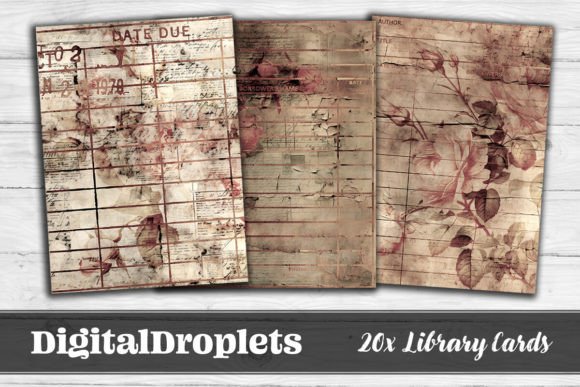
Every designer knows the power of a well-chosen texture or vintage element to instantly add depth and character to a project. For those seeking a blend of nostalgic charm and botanical elegance, the Big Floral Library Cards Vol.4 collection offers a uniquely versatile solution. This carefully curated set of 20 high-resolution PNG files provides an immediate injection of vintage-inspired, floral design into any creative workflow.
Understanding the Asset: More Than Just a Pattern
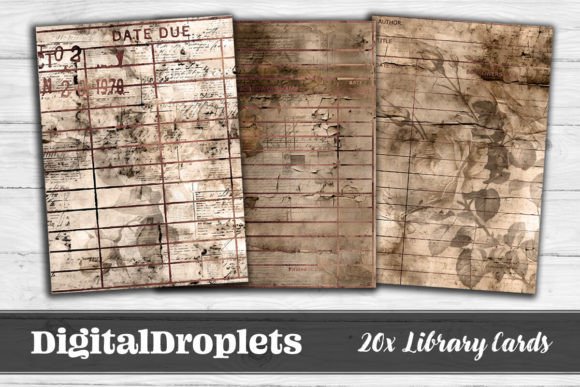
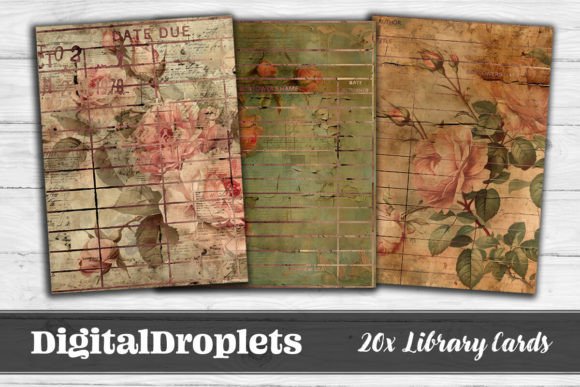
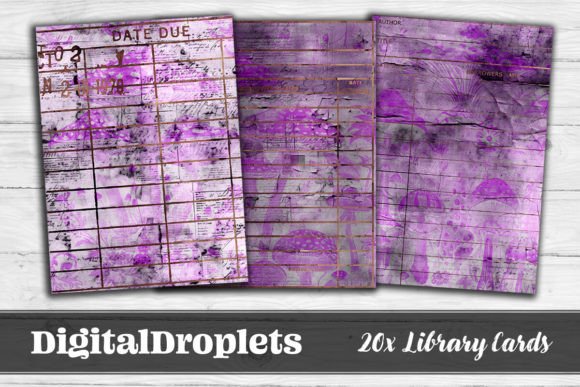
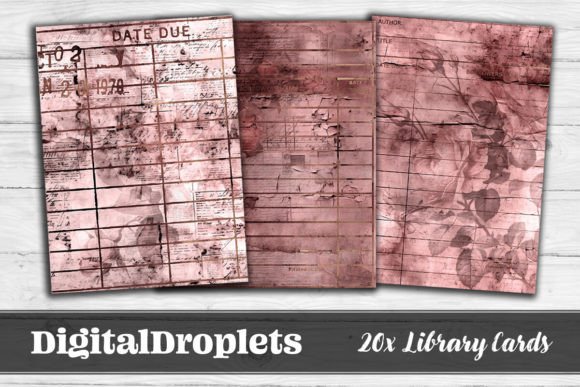
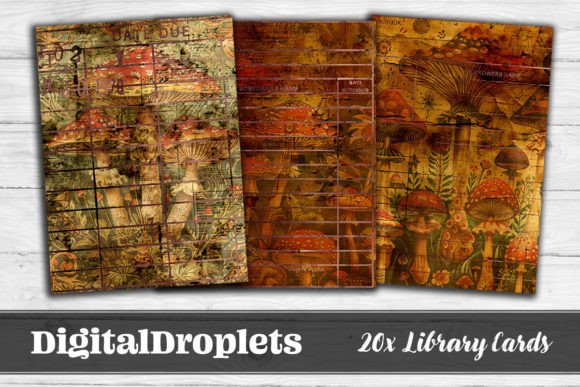
At its core, this collection overlays intricate floral patterns onto the classic format of a library card. This juxtaposition creates a powerful visual metaphor—blending knowledge, history, and natural beauty. Each card is delivered at 300dpi, ensuring crisp, professional results whether used in digital interfaces or high-quality print projects. The set, identified as DD 10004LC, is part of a broader Big Floral Library Cards Collection, with other variations and even free resources available for exploration.
The true value lies in its application. These are not mere decorative stickers; they are foundational elements for building visual narratives. The vintage library card aesthetic provides an instant sense of authenticity and story, while the floral overlay adds a modern, organic touch that aligns with contemporary design trends favoring nature-inspired motifs.
Practical Applications Across Creative Disciplines
The versatility of this asset set makes it suitable for a wide array of projects, enhancing both aesthetics and user experience.
For Branding and Visual Identity
Incorporating elements like these library cards can help establish a brand's personality. They are perfect for businesses or creators with a vintage, artisanal, or literary-themed identity. Use them as background elements on business cards, as part of a brand's texture library, or to inspire a unique color palette drawn from the floral hues and aged paper tones.
In Marketing and Digital Content
For social media graphics, these cards can frame quotes, highlight promotions, or serve as engaging backgrounds for Instagram Stories and Pinterest pins. Their inherent detail encourages higher engagement, stopping the scroll with a visually rich image. In digital marketing, they can be used in email newsletter headers or as decorative elements in PDF guides, adding a layer of perceived value and craftsmanship.
Editorial and Print Design
This is where the asset truly shines. It's an exceptional tool for:
- Scrapbooking and Junk Journals: The primary intended use, offering ready-made focal points.
- Editorial Layouts: Use them as decorative sidebars, chapter markers, or pull-quote backgrounds in magazines and books.
- Packaging Design: Ideal for product tags, sticker sheets, or wrapper patterns for stationery, tea, or artisanal goods.
- Presentations and Reports: Break the monotony of standard slides by using these as subtle section dividers or title slide backgrounds.
Integrating Assets with Professional Workflow
Successfully incorporating a pre-made asset into a professional design hinges on thoughtful integration. Here are key considerations:
- Maintain Visual Hierarchy: Use the library cards as supporting elements, not overwhelming main characters. They should enhance, not compete with, primary typography or imagery.
- Ensure Consistency: If using multiple cards from the set, treat them with the same color overlay or adjustment layer to create a cohesive system within your project.
- Test for Readability: If placing text over a card, ensure sufficient contrast. The inherent texture may require a solid or semi-transparent background behind the text for clarity.
- Consider Scalability: While high-resolution, test the asset at various sizes in your layout to ensure the floral details remain impactful without becoming noisy.
Elevating Design Through Curated Resources
In a landscape saturated with generic templates, using distinctive assets like the Big Floral Library Cards Vol.4 set demonstrates a commitment to unique visual storytelling. It streamlines the design workflow by providing a polished, ready-to-use element that solves multiple creative problems—from adding texture to establishing a specific mood. Thoughtful selection of such resources is not about cutting corners; it's about leveraging high-quality building blocks to achieve a more professional, cohesive, and emotionally resonant final product. This approach ultimately strengthens communication and leaves a lasting impression on the audience.