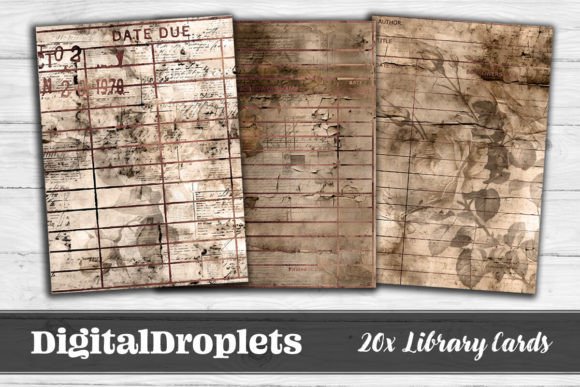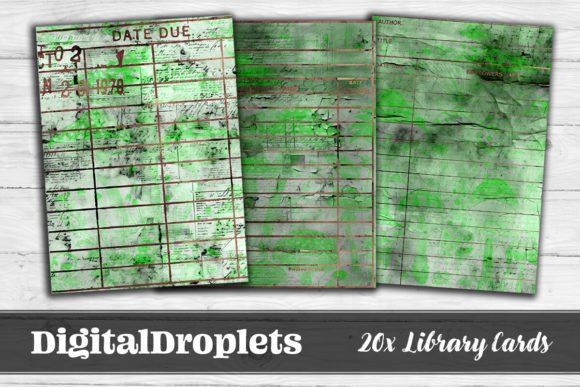
Mushroom Library Cards Vol.12: Vintage Charm for Modern Design
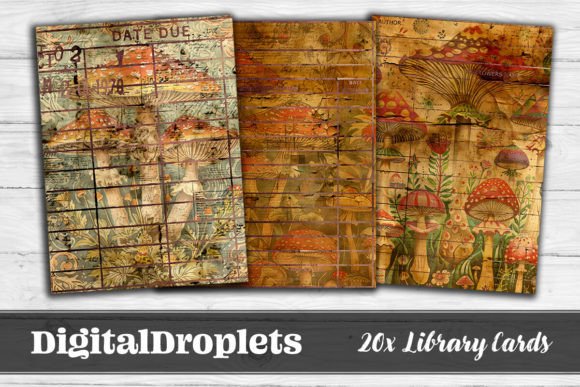
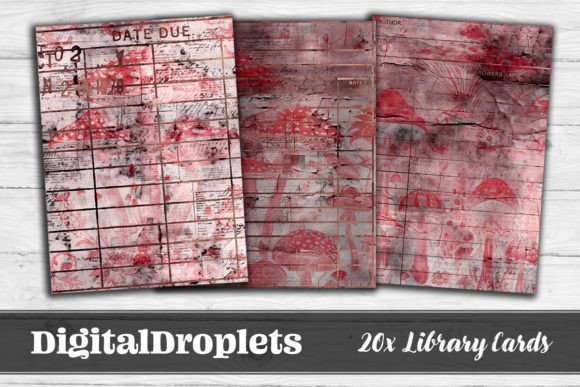
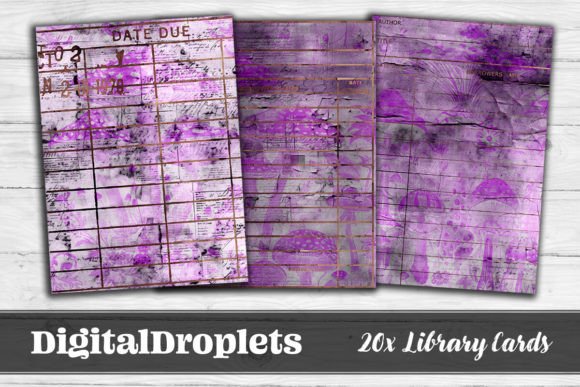
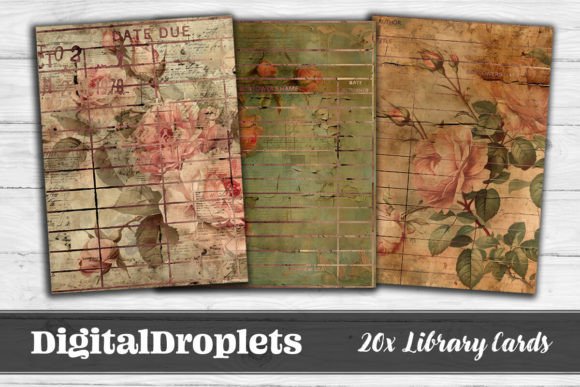
Infusing projects with a sense of history and whimsy is a powerful way to capture attention, and few elements achieve this as effortlessly as Mushroom Library Cards Vol.12. This curated set of 20 high-resolution PNG files offers designers a unique blend of nostalgic library aesthetics and organic mushroom patterns, creating versatile creative assets perfect for a wide range of visual communication needs.
Elevating Visual Communication with Thematic Assets
In modern graphic design, the details create the narrative. The Mushroom Library Cards collection provides a rich visual language that can strengthen brand identity, particularly for businesses in niches like artisanal goods, bookstores, cafes, botanical gardens, or wellness brands. These library cards serve as more than just decorative elements; they are storytelling tools. The overlay of intricate mushroom illustrations on classic library catalog cards creates a visual hierarchy that is both intriguing and familiar, guiding the viewer's eye while evoking a specific, curated mood.
For designers and creators, having a library of high-quality, thematic assets like this is a cornerstone of an efficient design workflow. Instead of building every element from scratch, you can integrate these pre-designed pieces to maintain consistency and accelerate production, whether for client work or personal projects.
Practical Applications for Creative Professionals
The true value of a creative asset lies in its adaptability. The Mushroom Library Cards Vol.12 set is engineered for flexibility, making it a valuable addition to any designer's toolkit. Here are some key applications where these assets can make a significant impact:
- Branding and Marketing Materials: Integrate these cards into brand collaterals like business cards, letterheads, and packaging design to establish a unique, vintage-inspired aesthetic that differentiates your client's brand.
- Social Media and Digital Marketing: Create eye-catching social media graphics, Instagram story backgrounds, or email newsletter headers. The detailed patterns provide excellent visual interest for platforms where standing out is crucial.
- Editorial and Print Design: Use them as chapter dividers, page borders, or decorative elements in magazines, zines, and book layouts. They add a tactile, nostalgic quality to digital and print publications.
- Scrapbooking and Junk Journaling: As highlighted, these are perfect for physical and digital scrapbooks, photo albums, and junk journals, offering a ready-made element that adds depth and character to personal memory-keeping projects.
- Web and UI Design: Employ them as background textures, section dividers, or icon sets within a website or app interface to create a cohesive and engaging user experience (UX) with a distinct personality.
Tips for Effective Integration
To ensure these assets enhance rather than overwhelm your design, consider a few key principles. First, analyze the existing color palette and typography of your project. The sepia tones and classic fonts of the library cards may need color grading or pairing with complementary typefaces to ensure visual harmony. Second, think about scalability. While the 300dpi PNGs are high-resolution, consider how the mushroom patterns will render at different sizes, from a small logo element to a full-page background.
Finally, use these elements to support your design goals. If the aim is to create a sense of nostalgia and intellectual curiosity, lean into the library card motif. If the goal is to highlight natural or organic themes, let the mushroom illustrations take center stage. The set, identified as DD 10022LC, is part of a broader collection, so exploring variations can help you find the perfect match for your specific vision.
Thoughtful design is about choosing elements that communicate more than words alone. By incorporating well-crafted assets like the Mushroom Library Cards Vol.12, you invest in the quality and impact of your visual projects, ensuring they resonate with your audience and leave a lasting impression. This attention to detail is what separates good design from great, memorable communication.